托福分数测试HOT
托福课程优惠HOT
托福正价课试听0元
新托福机考练习NEW
0元讲座HOT
新版托福入门课程HOT
托福入门导学NEW
4000人报
托福机经
PDF版
TPO练习
官方授权
资料下载
826套
专业测评
40118人已测
高分经验
1193帖
扫码免费领资料
托福全科备考资料
免费水平测试及规划

扫码关注掌握一手留学资讯
回复XDF免费水平测试
为了帮助大家高效备考托福,熟悉托福口语技巧,新东方在线托福网为大家带来托福口语:如何让你的输入效益最大化一文,希望对大家托福备考有所帮助。更多精彩尽请关注新东方在线托福网!
托福考试的输入板块为阅读和听力,输出板块为口语和写作。托福口语共6道题,只有前2个题属于自由答题,而后4个题,则需要较强的输入功底和信息整合能力才可以输。所以,信息的输入(阅读+听力)算是托福口语的一大门槛;但即使看懂听懂了,没有较好的信息整合能力,也会感到无所适从;有了较好的信息整合能力,还得看语言表达的准确性好不好,除了信息的准确抓取,还需要较好的语法和词汇功底以及我们梦寐以求的语音语调;另外,托福考试大概在4小时左右(算上阅读或听力的加试),而口语板块的时间为20分钟,纯答题时间只有5分30秒,这种强度,给很多考生带去了极大的应试压力。今天,笔者想着重说说在口语综合题输入板块的一些应用技巧,帮助考生将输入的效益最大化。输入这个板块,也是托福口语综合题的第一大门槛。
我们以口语学术题为范例来进行分析。托福口语的学术题有2道,分别为第四题和第六题。第四题有阅读和听力,第六题只有听力。如何在有限的时间内快速抓取采分信息,是今天我们探讨的主要内容。
托福口语第四题
口语第四题的结构为:阅读(45秒/50秒)—听力—准备(30秒)—答题(60秒),很多同学都对这道题的阅读板块望而却步,因为时间短、生词多、概念又比较抽象。很多同学读不完,很多同学读完了不知道短文的重点是什么。那么我们首先要知道口语第四题阅读的结构是怎样的。这段阅读是对某个专业名词(标题)进行定义解释,所涉及的科目主要为生物学,心理学和商务学。这个段落有两大重点,一是Definition,二是Description。Definition部分就是我们俗称的定义句,非常抽象;Description部分是对这个名词所产生的原因、结果、影响、功能等进行描述。所以,我们在阅读时,需要对这两个内容进行整合。其实哪怕定义句读不懂也没有关系,但一定要抓到Description部分所强调的东西,因为这里强调的内容,就是听力部分着重想要解释的内容。这样我们就能对听力进行预判,也会让听力部分重点内容的表达更加精准。
阅读部分如何快速获取重点信息?
本题的阅读部分,正常的题型会涉及到两大原则:转折和指代。

转折类
本题中的第二句中出现了however,那么前面的内容则为次要信息,不需要记,重点看however后面的论述。第三句话非常明确地解释了什么叫Target Marketing,这里属于Definition。最后一句话说这个方法非常的effective,这里属于Description。这时候,你需要注意了,听力中你要重点抓取的信息就是凸显这个方法为何effective的细节。
指代类
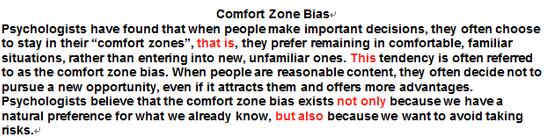
这道题所涉及的阅读技巧就比较综合了,本题中第二句话出现了this,说这种倾向通常被称为Comfort Zone Bias,那么你要明白,this是指代前面的内容,那定义句就在前面那句话中。第一句中有个that is,是一种解释说明,那that is后面就是Definition。继续往后看,文尾有个并列not only…but also...,不仅...而且…,所以文中想强调we have a natural preference for what we already know和we want to aviod taking risks这两种情况,这里就是Description部分。接下来,你就可以对听力进行预判,听力中的内容也会提到这两个情况,并且你在答题时,必须将这样的信息强调出来。
还有部分阅读,没有明显的定义,整篇都比较偏向于Description,比如TPO40的口语第四题(我们顺便也通过这道题来讲讲托福口语第四题阅读与听力的结构关系)。
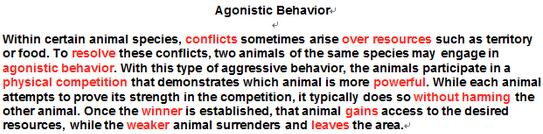
阅读概念:
【释义】阅读部分介绍了说同一物种的两只动物会因为资源发生冲突,然后使用Agonisitic Behavior来解决冲突。这个过程中它们会进行生理上的竞争,但不会伤害对方。赢家得到资源,输家离开。
听力讲座
I know some scientists were observing snakes in the wild and they witnessed an encounter of this sort between two Rattlesnakes. Um, as you may know, Rattlesnakes eat various kinds of small animals, um, small animals that live underground, in burrows, in little holes in the ground. And what the scientists saw was these two Rattlesnakes found the same hole, and both wanted to eat whatever food was in that hole. So what happened was the two Rattlesnakes faced each other and then they lifted their bodies into a upright position and made themselves as tall as possible. And then they started pushing each other, kind of wrestling with one or another. Each snake trying to gain control of the other snake. And what’s interesting is that during all these pushing, and shoving, and maneuvering, neither snake ever tried to bite the other snake. Neither snake ever tried to injure the other snake. So then after this went on for a while, one of the snakes finally gained control of the other snake, pushed it to the ground and held it there. At this point, the snake that was on top could’ve easily bitten the other snake, but it didn’t. Instead, it just released the other snake. Just let it go. The snake that had lost just slithered away. And the snake that had won went down into the hole to look for food.
【释义】教授讲了2只响尾蛇,同时想要一个洞中的食物,于是开始肉搏:立起身子让自己显得高大,面朝对方互相推搡。然后其中一只把另一只推倒在地,但不会咬伤它,然后放走。赢的那只获得洞中食物,输的那只离开。
本题任务:Explain how the example in the lecture illustrates Agonistic Behavior.
| 阅读原文 | 笔记点 | 听力原文 | 笔记点 |
| Within certain animalspecies, conflictssometimes arise over resources such as territory or food. To resolve these conflicts, two animals of the same species may engagein agonistic behavior. | conflicts food | And what the scientists saw was these two rattlesnakesfound the same hole, and both wanted to eat whatever foodwas in that hole. | 2 rattle snakes food in the hole |
| With this type of aggressive behavior, the animals participate in a physical competitionthat demonstrates which animal is more powerful. | fight | So what happened was the two rattlesnakes facedeach other and then they liftedtheir bodies into a upright position and made themselves as tallas possible. And then they started pushingeach other, kind of wrestling with one or another. | face lift body → tall push |
| While each animal attempts to prove its strength in the competition, ittypically does so without harmingthe other animal. | x harm | Each snake trying to gain control of the other snake. And what’s interestingis that during all these pushing, and shoving, and maneuvering, neithersnake ever tried to bitethe other snake. Neither snake ever tried to injure the other snake. | x bite |
| Once the winneris established, that animal gainsaccess to the desired resources, while the weakeranimal surrenders and leavesthe area. | winner food weaker leave | So then after this went on for a while, one of the snakes finally gainedcontrol over the other snakes, pushed it to the ground and held it there.itjust released the other snake. Just let it go.The snake that lostjust slithered away. And the snake that had wonwent down into the hole to look for food. | won, food lost, away |
从这里我们可以看出阅读部分的结构都是抽象性的概念介绍,而听力部分则是把阅读部分提到的所有东西具体化。比如,阅读的第一句说同一物种中的两只动物会因为食物发生冲突,所以听力中一开始就说了两只响尾蛇在争抢某个地洞中的食物。然后阅读介绍说它们会使用Agonistic Behavior(一种生理上的竞争)来解决冲突,所以听力中用了很多动词来描述响尾蛇是如何进行肉搏的。所以如果你能在45秒内把阅读框架给读懂读全,有些第四题可以直接变成填空题,对照阅读的抽象框架去填听力部分给出的具体细节。Sample Response完整版
(适合输入功底好并且语言组织速度快的同学)
According to the reading material, Agonistic Behavior occurs when two animals of the same species are fighting over some resources they both want and they won’t harm each other during the physical competition. So in the lecture, the professor uses Rattlesnakes as an example. When two Rattlesnakes both wanted the food in a hole, they used Agonistic Behavior to solve it. They lifted their bodies to stand up as tall as possible and then started pushing each other to show which was more powerful. But during all these pushing and shoving, they didn’t bite each other. In the end, one of the snakes won and it released the weaker one. The winner got whatever food in the hole and the weaker snake just left that area. This example fully illustrates how Agonistic Behavior works.
然而,绝大部分同学答第四题的情况是阅读读不完(甚至读不懂),听力却能抓到很多碎片化的细节,但是不知道这跟阅读有什么关系,所以笔者给了另外一种答题方案,开头不用自己总结阅读,直接切入听力例子,然后在结尾部分扣题即可。
精简版 According to the lecture, the professor is talking about two Rattlesnakes. They found some food in a hole and they both wanted it. So they used Agonistic Behavior to solve this conflict. They lifted their bodies to stand up as tall as possible and then started pushing each other to show which was more powerful. But during all these pushing and shoving, they didn’t bite each other. In the end, one of the snakes won and it released the weaker one. The winner got whatever food in the hole and the weaker snake just left that area. This example fully illustrates how Agonistic Behavior works.
以上就是新东方在线托福网为你带来的托福口语:如何让你的输入效益最大化,更多精彩敬请关注新东方在线托福网。
 资料下载
资料下载
2021-2025托福机经试题|答案|范文下载
发布时间:2024-02-21关注新东方在线托福
回复【XDF】获取
托福全科备考资料大礼包
发布时间:2024-02-21关注新东方在线托福
回复【XDF】获取
托福正价课试听课程包
发布时间:2024-02-21关注新东方在线托福
回复【XDF】获取
托福定制备考规划
发布时间:2024-02-21关注新东方在线托福
回复【XDF】获取
托福TPO免费模考
发布时间:2024-02-21关注新东方在线托福
回复【XDF】获取
托福免费水平测试
发布时间:2024-02-21关注新东方在线托福
回复【XDF】获取
托福写作新题型模拟题+范文汇总[ETS发布]
发布时间:2023-07-30关注新东方在线托福
回复【XDF】获取
2023全年托福机经PDF版下载
发布时间:2023-06-17关注新东方在线托福
回复【XDF】获取
2022全年托福机经PDF版下载
发布时间:2023-06-17关注新东方在线托福
回复【XDF】获取
2022全年写作托福机经整理
发布时间:2023-01-13关注新东方在线托福
回复【XDF】获取
2022年托福考后题目回忆
发布时间:2023-01-13关注新东方在线托福
回复【XDF】获取
托福口语黄金80题附录音
发布时间:2023-01-13关注新东方在线托福
回复【XDF】获取
新东方IBT写作网络课堂录音[.rar]
发布时间:2023-01-13关注新东方在线托福
回复【XDF】获取
21天托福听力提升计划
发布时间:2023-01-13关注新东方在线托福
回复【XDF】获取
不怕跑题偏题,这份写作资料请收好
发布时间:2023-01-13关注新东方在线托福
回复【XDF】获取
托福阅读提分技巧锦囊妙计
发布时间:2023-01-13关注新东方在线托福
回复【XDF】获取
口语拖后腿?因为你缺少这套万能句式资料
发布时间:2019-11-01关注新东方在线托福
回复【XDF】获取
攻破托福听力难关的资料包
发布时间:2023-01-13关注新东方在线托福
回复【XDF】获取
看剧学英语,经典美剧一键获取
发布时间:2019-11-01关注新东方在线托福
回复【XDF】获取
原版外刊资源合集|精心打包整理
发布时间:2019-11-01关注新东方在线托福
回复【XDF】获取

关注新东方在线托福,
回复【XDF】获取大礼包

 推荐阅读
推荐阅读
托福独立口语是评估考生英语口语能力的重要组成部分。它与综合口语不同,更侧重于考生个人对日常生活、个人经历或普遍性话题的独立见解和表达。
托福考试的众多环节中,综合口语部分无疑是对考生英语综合能力的一次深度考验。它不仅要求考生具备良好的听力、阅读能力,更需要考生能够在短时间内将所获取的信息进行整合,并以清晰、流畅的口语表达出来。
在托福考试的激烈角逐中,托福口语无疑是众多考生攀登高峰的关键挑战之一。掌握托福口语的内容和形式,就如同握住了开启成功之门的钥匙。今天,我们将为你全方位、深层次地剖析托福口语考试,助你在备考之路上乘风破浪。
托福考试中,口语部分无疑是众多考生奋力攀登的高峰。握有正确的备考技法,恰似获取了一把开启成功之门的密钥。你是否渴盼于托福口语考场上呈现出流畅、精准且颇具魅力的表述?是否为如何提升口语水准而困扰?
在托福考试的激烈竞争中,托福口语无疑是众多考生的关键战场。而在口语表达过程中,大脑突然“卡壳”的情况让许多考生倍感焦虑。今天,我们就聚焦托福口语,为你揭秘那些能拯救你于“卡壳”困境的万能句式。

资料下载
关注新东方在线托福
回复【XDF】获取
关注新东方在线托福
回复【XDF】获取
关注新东方在线托福
回复【XDF】获取
关注新东方在线托福
回复【XDF】获取
关注新东方在线托福
回复【XDF】获取
关注新东方在线托福
回复【XDF】获取
关注新东方在线托福
回复【XDF】获取
关注新东方在线托福
回复【XDF】获取
关注新东方在线托福
回复【XDF】获取
关注新东方在线托福
回复【XDF】获取
关注新东方在线托福
回复【XDF】获取
关注新东方在线托福
回复【XDF】获取
关注新东方在线托福
回复【XDF】获取
关注新东方在线托福
回复【XDF】获取
关注新东方在线托福
回复【XDF】获取
关注新东方在线托福
回复【XDF】获取
关注新东方在线托福
回复【XDF】获取
关注新东方在线托福
回复【XDF】获取
关注新东方在线托福
回复【XDF】获取
关注新东方在线托福
回复【XDF】获取
 阅读排行榜
阅读排行榜
 相关内容
相关内容

 托福公益讲座
 托福考试练习相关
 网友热搜
网友热搜